Pest control is an essential service for maintaining a healthy and safe living environment. You might only think about pest control when you spot a rat or notice strange flying insects near your windows. However, professional pest control services in Calgary offer much more than a simple solution for these “aha!” moments. Routine pest management is vital to prevent unpleasant, disease-carrying pests from entering your home, contaminating your food, and potentially harming your family.
Table of Contents
Explain Pest Control
Pest control involves the removal or management of unwanted critters that can invade homes, businesses, and agricultural environments. Common pests include rodents, cockroaches, termites, bedbugs, venomous spiders, and more. Over the years, pests have created widespread anxiety because they often bring health risks and cause property damage. Professional pest exterminators use a range of techniques to eliminate pests and prevent future infestations.
Pests Common to Your House
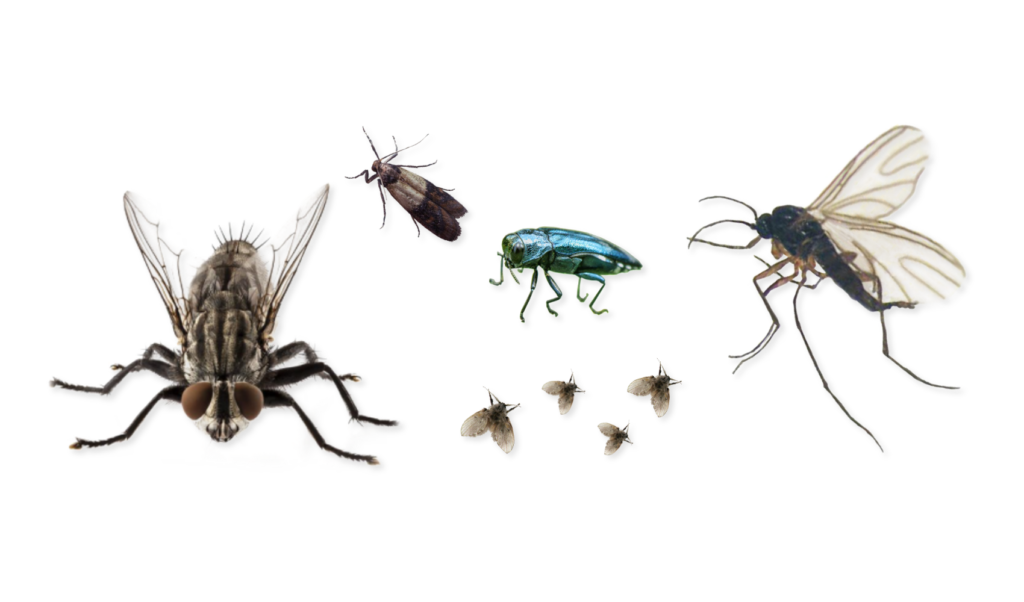
Common Pests Found in Your Home
While there are many types of pests, here are some of the most common intruders in your home:
Termites
Termites are known for their ability to destroy wood, paper, and other cellulose-based materials. Apart from the structural damage they cause to your home, termites may also spread diseases such as asthma or eczema. Read more for your information…
Rodents (Mice and Rats)
Rodents are notorious for causing significant damage. They can destroy furniture, electrical systems, pipes, and even crops. Rodents are omnivores, feeding on both plant and animal products, making them a versatile threat to your property.
Cockroaches
Cockroaches thrive in warm environments and are common in both private homes and public buildings. While they don’t usually damage property, they carry bacteria and can trigger allergic reactions and asthma attacks, affecting the health of your family.
Bed Bugs
These tiny, parasitic insects are often found in bedding and furniture. They are easily spread via luggage or clothing and cause discomfort through itchy bites. In some cases, they may also lead to allergic reactions and skin infections.
Ants
Ants live in large colonies and are highly social insects. They can spread various pathogens, including salmonella and shigella, through contaminated food or contact with wounds. Ants are attracted to sugary foods but will consume almost anything they can find.
Four Methods of Pest Extermination
Pest control is a critical aspect of property maintenance. Below are the four most effective methods used for exterminating pests:
1. Chemical Pesticides
Chemical pesticides are one of the most common forms of pest control. These treatments are effective at eliminating a wide range of pests. Chemical control is especially useful for large-scale infestations, where space fumigation or other chemical techniques are necessary. While chemicals can be highly effective, it is important to ensure that they are used safely, as they can be harmful to pets and humans if misapplied.
2. Biological Pest Control
Biological pest control uses natural predators, parasites, or pathogens to control pest populations. Common biological agents include ladybugs, which eat aphids, or parasitic wasps that target whiteflies. Certain bacteria, fungi, and viruses can also be used to infect pests and reduce their numbers. This eco-friendly approach is often used as part of an integrated pest management (IPM) plan to control pest populations sustainably.
3. Technological Pest Control
Advancements in technology have introduced more innovative solutions to pest management. For example, ultrasonic devices emit high-frequency sound waves that disrupt the neurological systems of pests, deterring rodents and insects from infesting homes. Electromagnetic pest-control devices also use technology to target the sensory systems of pests.
4. Physical Pest Control
Physical pest control involves using barriers, traps, or manual methods to keep pests at bay. This method includes using nets, plastic sheets, or fences to prevent pests from reaching plants or food sources. While this method may not be as effective on large infestations, it is a great option for localized problems.
Conclusion
Pest control is a vital aspect of maintaining a healthy environment. The methods used for extermination range from chemical treatments to biological solutions and advanced technology. Regular pest management, whether through DIY methods or pest control services in Calgary, is necessary to keep your home free from the risks posed by pests. Integrated pest management strategies, which combine various techniques, offer the most effective way to maintain long-term pest control.
FAQs About Pest Control
1. How do I know if I need pest control services?
If you notice an increase in pest activity, such as seeing rodents or insects frequently, it’s time to consider professional pest control services. Additionally, if you detect any damage to your property or food, an infestation is likely.
2. Are pest control chemicals safe for pets?
While many pest control chemicals are effective, they can pose risks to pets if not applied properly. It’s important to consult with a professional pest control service to ensure that the treatments used are safe for your pets and family.
3. Can I prevent pests from entering my home?
Yes! Preventive measures include sealing cracks and gaps in windows and doors, keeping food sealed, reducing moisture, and regularly cleaning your home. Additionally, scheduling routine pest control services can help keep pests at bay.
4. How often should I schedule pest control treatments?
The frequency of pest control treatments depends on the type of pests and the size of your home. For preventive measures, quarterly treatments are recommended. If you’re dealing with a significant infestation, more frequent treatments may be needed.
5. What is integrated pest management (IPM)?
Integrated pest management (IPM) is a sustainable approach that combines multiple pest control techniques, such as biological control, chemical treatments, and physical barriers, to manage pest populations while minimizing harm to the environment and non-target species.